A toothache has a habit of striking at the worst possible moment. It might start during dinner, wake you up at 2 am, or flare up right before a big meeting. When this happens, it can be hard to know whether you should wait for a routine appointment or seek help straight away.
What Counts as a Dental Emergency?
Not every dental problem needs urgent attention, but some clearly do. A dental emergency usually involves severe pain, uncontrolled bleeding, visible swelling, or damage to a tooth that cannot wait. Common examples include a knocked-out tooth, a cracked or fractured tooth, a lost filling or crown that exposes sensitive nerve tissue, and a dental abscess causing facial swelling. Bleeding gums after an injury, or pain that keeps you awake at night, also fall into this category. If you are unsure, it is always safer to seek advice from a dental professional rather than guess.
Signs You Should Not Ignore
Some symptoms are your body’s way of telling you something is seriously wrong. Throbbing pain that does not ease with over-the-counter painkillers, swelling in the face or jaw, and a persistent bad taste in the mouth can all be infection points. Fever alongside dental pain is another warning sign, as this may indicate the infection has spread beyond the tooth itself.
Common Dental Emergencies Explained
A knocked-out tooth is one of the most urgent situations, since a tooth has the best chance of being saved if it is put back in place within the first hour. A cracked or chipped tooth can expose the nerve, causing sharp pain when eating or drinking anything hot or cold. Lost fillings and crowns leave the underlying tooth vulnerable to further damage and infection. Dental abscesses, meanwhile, are pockets of infection that can spread quickly if left untreated, sometimes affecting the jaw, neck, or even further afield in rare cases.
Why You Should Not Delay Treatment
Putting off dental treatment rarely makes a problem go away. Infections can spread from the tooth into the surrounding gum, bone, and soft tissue, and this can become far more serious than the original issue. Pain also tends to worsen over time rather than settle on its own. Beyond the physical risks, ignoring symptoms often means treatment becomes more complex and disruptive later on. Seeking prompt advice from a dentist gives you the best chance of a straightforward fix, rather than facing a more invasive procedure further down the line.
What Happens During an Emergency Dental Visit
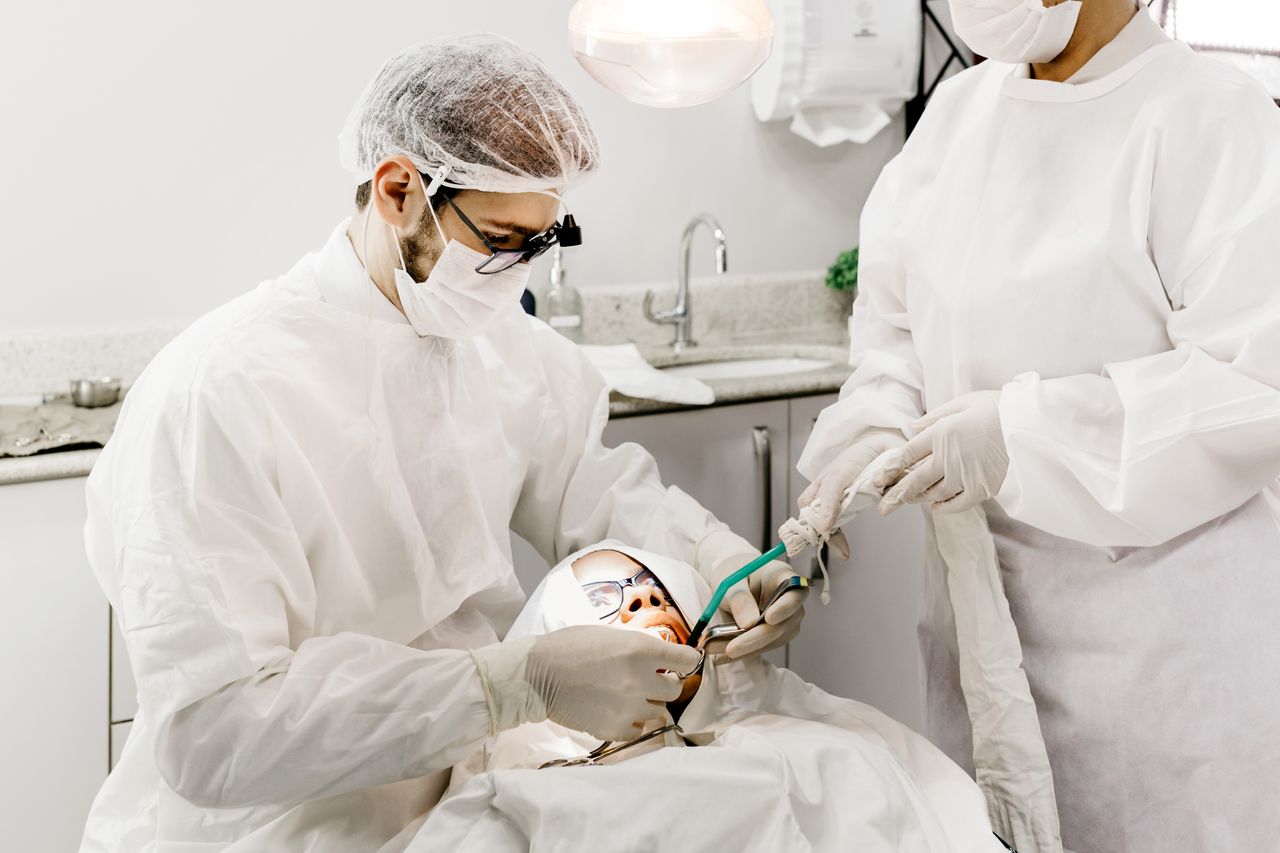
When you contact a dental practice about an urgent problem, you will usually be asked to describe your symptoms so the team can assess how quickly you need to be seen. This helps them prioritise genuine emergencies. During the appointment, the dentist will examine the affected area, possibly take an X-ray, and explain your treatment options clearly. The aim is to relieve pain first and then address the underlying cause.
How to Find Help in Leeds
If you are dealing with sudden pain, swelling, or an injury to your teeth, it helps to know where to turn. Searching for an emergency dentist in Leeds can connect you with a practice equipped to handle urgent problems quickly and calmly. Having this information ready before an emergency strikes means you are not searching in a panic while in pain. It is worth keeping contact details for a trusted local practice saved somewhere accessible, whether that is in your phone or written down at home.

Looking After Your Teeth Between Emergencies
Prevention will always be better than a last-minute dash to the dentist. Regular check-ups allow small problems to be spotted before they turn into emergencies. Brushing twice daily with fluoride toothpaste, cutting back on sugary foods and drinks, and wearing a mouthguard during contact sports all reduce your risk of sudden dental trouble. According to recent NHS figures, around 18 million adults received NHS dental care in England between April 2023 and March 2025, showing that routine visits remain a normal part of life for a large share of the population. Staying on top of these habits lowers the chances of an unexpected crisis.
Final Thoughts
Dental emergencies are stressful, but knowing what to look out for makes a real difference. Severe pain, swelling, bleeding, or a knocked-out tooth are all signs that you should seek help promptly rather than wait it out. Practices such as Poldent Dental Care are set up to support patients through these moments, offering guidance on next steps and appropriate treatment.